July might feel like you’ve missed the window, but your garden isn’t done with you yet. There’s still a solid chunk of the growing season left — enough time to put seeds in the ground and actually eat something from them before frost shows up.
The trick is knowing which vegetables play nice with the heat and still have enough time to mature. Some of them actually prefer getting started now, when the soil is warm and they can hit the ground running.
So grab your trowel. This list covers 14 vegetables worth planting this month — and yes, you’ll get a real harvest out of them.
14 Vegetables to Plant in July
Not every vegetable needs a spring start — these 14 actually do just fine going in the ground right now. Pick one or plant them all; either way, you’ve got a harvest coming. Some of them will even beat the ones you planted back in May.
1. Bush Beans

Growing conditions: Full sun, well-drained soil, and about an inch of water per week.
Bush beans are one of the best July plantings you can make. They grow fast — most varieties go from seed to harvest in about 50 to 60 days — which means you’re looking at a solid crop well before the first frost hits. They love warm soil, and July gives them exactly that.
Direct sow them right in the ground, water consistently, and mostly just leave them alone. No trellising, no fussing. They’re the kind of plant that makes you look like you know what you’re doing even when you’re barely trying.
Also Read: 19 Vegetables to Plant in October
2. Kale

Growing conditions: Full sun to partial shade, fertile well-drained soil, and regular watering to keep it from bolting.
Kale is one of those vegetables that actually gets better as the weather cools down — a light frost sweetens the leaves up nicely. Plant it in July and it’ll be hitting its stride right when fall temperatures start rolling in. That’s the sweet spot most gardeners miss.
It’s also one of the tougher greens out there. It handles heat, bounces back from neglect, and keeps producing for weeks if you harvest the outer leaves and leave the center alone.
3. Cucumbers

Growing conditions: Full sun, warm soil, consistent moisture, and something to climb if you’re going with a vining variety.
Cucumbers are speed growers — most varieties are ready to pick in 50 to 70 days, which makes them a smart July choice in most parts of the US. They thrive in the heat, and a July planting means you’ll be harvesting right when summer is still in full swing.
Get them in the ground as seeds or transplants, keep the water steady, and check on them often once they start producing. Cucumbers don’t like to be left on the vine too long — the more you pick, the more the plant keeps pushing out.
Also Read: How to Increase Female Flowers in Cucumber?
4. Radishes

Growing conditions: Full sun, loose well-drained soil, and consistent moisture to keep them from getting woody.
Radishes are the ultimate impatient gardener’s vegetable — some varieties are ready to pull in as little as 25 days. Plant them in July and you could be eating them before the month is even over. They’re also small enough to tuck into gaps between slower-growing plants, so no extra bed space needed.
Don’t let them sit in the ground too long once they’re ready though. They get pithy and bitter fast, so check them early and pull them as soon as they size up.
Also Read: Why Holes in Radish Leaves?
5. Spinach

Growing conditions: Partial shade in July works best, moist fertile soil, and good drainage to prevent rot.
Spinach is a cool-season crop, so the trick with a July planting is timing it right. Get it in the ground in the second half of the month and it’ll germinate in the heat, then do most of its growing as temperatures start to ease up in late summer and fall. That’s when spinach really takes off.
Keep it shaded during the hottest part of the day if you can — a taller neighboring plant or a shade cloth works fine. Baby leaves will be ready before you know it.
6. Swiss Chard
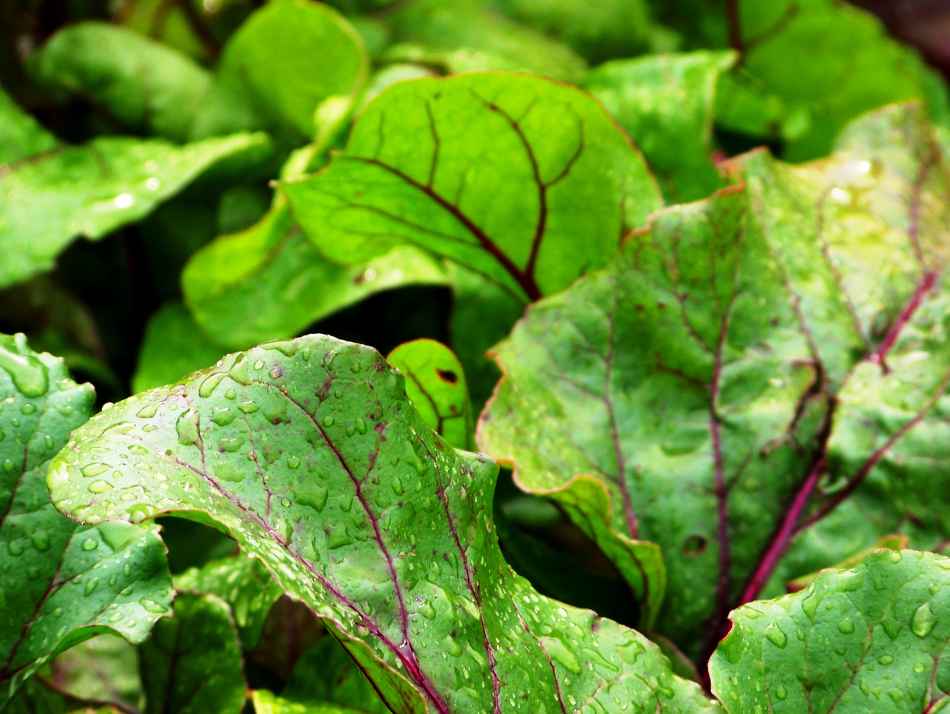
Growing conditions: Full sun to partial shade, rich well-drained soil, and steady watering through the heat.
Swiss chard is basically built for this time of year. It handles summer heat better than most leafy greens and keeps producing right into fall without skipping a beat. Plant it now and you’ll have fresh greens coming in for months, not just weeks.
Harvest the outer stalks and leave the center growing — the plant will keep pushing out new leaves the whole season. It’s one of those set-it-and-forget-it vegetables that just keeps delivering.
Also Read: Is Chicken Manure Good for Tomatoes?
7. Green Onions

Growing conditions: Full sun, loose well-drained soil, and light regular watering — they don’t need much to thrive.
Green onions are one of the easiest things you can put in the ground in July. They grow fast, take up almost no space, and you can start snipping them as soon as they’re big enough to bother with. No waiting for a bulb to form, no guessing when they’re ready.
Scatter the seeds thickly in a row, thin them out a little as they grow, and you’ve got a steady supply of fresh onion flavor from late summer straight through fall.
8. Beets

Growing conditions: Full sun, deep loose soil free of rocks, and consistent moisture for even root development.
Beets give you two harvests for the price of one — the roots and the greens are both edible, and both are genuinely good. A July planting gives the roots enough time to size up before cold weather arrives, and the greens will be ready even sooner if you want to start picking early.
Soak the seeds overnight before planting to speed up germination, and thin the seedlings once they’re a few inches tall. Crowded beets won’t size up properly, so give them a little room and they’ll reward you for it.
9. Carrots

Growing conditions: Full sun, deep loose well-drained soil, and consistent moisture especially during germination.
Carrots planted in July will mature in the cooler days of fall, which is actually when they taste best — cold temperatures convert their starches to sugar and make them noticeably sweeter. It’s one of those gardening tricks that feels like cheating once you know it.
Keep the soil consistently moist until they germinate, which can take up to two weeks. After that they’re pretty low maintenance — just thin them to about two inches apart and let them do their thing underground.
10. Lettuce

Growing conditions: Partial shade in summer heat, moist fertile soil, and good airflow to prevent disease.
Lettuce gets a bad reputation as a spring-only crop, but a July planting set up in a slightly shaded spot can absolutely work. The key is keeping the soil cool and moist so the seeds don’t go into heat-induced dormancy before they even get started.
Once it’s up and growing, lettuce moves fast. You can start harvesting outer leaves in as little as 30 days, and a cut-and-come-again approach will keep it producing for weeks before it even thinks about bolting.
11. Turnips

Growing conditions: Full sun, loose fertile soil, and regular watering for steady even growth.
Turnips are an underrated July plant. They grow quickly, handle a light frost without flinching, and give you both the root and the greens to cook with. A July planting puts them right on track for a perfect fall harvest when the roots are at their sweetest.
Direct sow them about half an inch deep, thin to four inches apart once they sprout, and don’t neglect the watering. Dry spells make the roots tough and bitter — steady moisture is what keeps them tender and mild.
12. Zucchini

Growing conditions: Full sun, rich well-drained soil, and deep watering two to three times a week.
Zucchini grows so fast it’s almost aggressive — plant it in July and you’ll be harvesting in as little as 50 days. The warm soil speeds up germination, and once it gets going it barely needs any encouragement. If anything, the bigger challenge is keeping up with the harvest.
Pick them small and often — zucchini left on the plant gets woody and seeds up fast. Check the plant every day once it starts producing and you’ll stay ahead of it.
13. Arugula

Growing conditions: Full sun to partial shade, well-drained soil, and consistent moisture to slow bolting.
Arugula is fast, spicy, and one of the easiest greens to grow in late summer. It germinates quickly in warm soil and is ready to start harvesting in about 40 days. Plant it in a spot that gets some afternoon shade and it’ll hold on longer before bolting in the heat.
Sow seeds directly in the ground and scatter them thinly — arugula doesn’t need much space and does well even in containers if bed space is tight. Cut it young for the best flavor and it’ll keep pushing out new growth for weeks.
14. Collard Greens
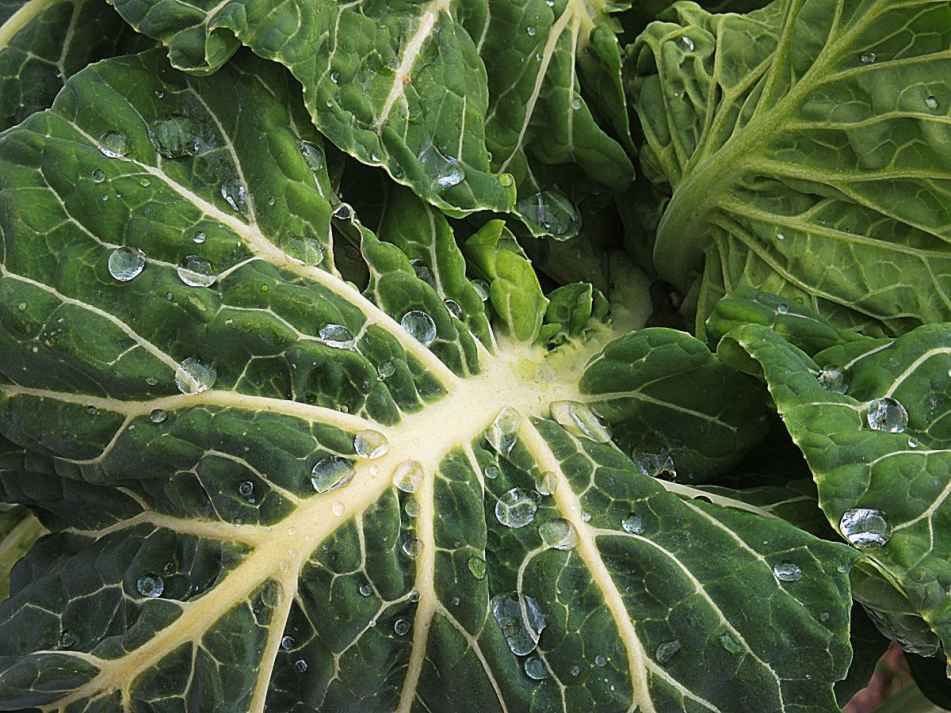
Growing conditions: Full sun, fertile well-drained soil, and deep regular watering to support big healthy leaves.
Collard greens are tough, productive, and one of the most heat-tolerant leafy vegetables you can grow. A July planting gives them time to establish through the rest of summer and then really hit their stride when fall temperatures kick in — that’s when the leaves get tender and the flavor mellows out.
Start harvesting the lower outer leaves once the plant is about a foot tall and work your way up as it grows. Keep picking and it’ll keep producing well into late fall, and in milder climates it’ll push right through winter without missing a beat.
Tips for July Planting Success
Water more than you think you need to:
Summer soil dries out fast, especially right after planting. Seeds need consistent moisture to germinate in the heat, so check the soil daily and don’t let it dry out completely between waterings. A layer of mulch around your plants goes a long way toward holding that moisture in.
Give your seeds some shade at the start:
A few days of shade cloth or even an old bedsheet propped up over a new planting can make a real difference in July.
It keeps the soil from getting too hot and gives seeds a fighting chance to germinate before the afternoon sun beats them down.
Amend your soil before you plant:
By July, soil that’s been growing things all season is starting to run low on nutrients. Work in some compost before you put anything new in the ground — it’ll give your late-season plants a solid head start and keep them producing strong through fall.
Don’t skip the thinning. It feels wasteful pulling out perfectly good seedlings, but crowded plants compete for water and nutrients and end up smaller and weaker for it. Thin early and the ones that stay will more than make up for the ones you pulled.
Conclusion
July is not too late — not even close. With the right vegetables and a little attention to watering, you can pull a genuinely impressive harvest out of the back half of summer. The garden doesn’t shut down just because spring is over.
Pick two or three from this list if you’re just getting started, or go all in and fill every open spot you’ve got. Either way, you’ll be glad you didn’t write the season off. Some of the best harvests come from the plantings most people never bother to make.