You may have to pause your gardening journey as winter approaches, if you didn’t plant ahead to grow cold-hardy vegetables in your backyard.
While many gardeners assume frost means “end of the season,” winter-hardy vegetables prove the opposite. These tough crops don’t just survive cold weather — many of them thrive in it.
Frost makes leafy greens sweeter, root crops richer, and the whole garden surprisingly productive during the coldest part of the year.
Growing vegetables in winter is easier than most people think. Cold-tolerant crops like kale, spinach, leeks, and carrots have evolved to withstand frost, icy winds, and even snow cover.
With the right choices and a bit of protection, you can harvest fresh greens, crisp roots, and flavorful winter veggies when everything else is dormant.
One of the best parts about winter gardening is how low-maintenance it becomes.
Pests slow down, watering needs drop dramatically, and plants grow steadily with very little intervention.
With the right varieties and a few simple protections like mulch or a row cover, even beginner gardeners can enjoy a winter harvest.
Key to Successful Winter Gardening
Successful winter gardening rests on three essential steps:
1. Choose frost-tolerant varieties: Not all vegetables handle cold the same way. Picking the right varieties ensures your garden keeps producing even through repeated frosts.
2. Prepare fertile, well-draining soil: Winter rain and snow can quickly waterlog beds. Good drainage and organic-rich soil help plants survive cold stress.
3. Give plants simple winter protection: Things like mulch, row covers, cloches, and cold frames act like blankets. They trap heat, block icy wind, and keep soil from freezing hard.
Plant at the right time, use the sunniest corner of your garden, water before a frost, and give plants a head start before harsh cold arrives — and you’ll have a garden that keeps going all winter long.
19 Cold-Hardy Vegetables for Winter Growing
Below are 19 vegetables that excel in cold weather. Each one includes care tips, protection ideas, and simple ways to boost winter harvests.
1. Kale

Kale is one of the toughest greens you can grow, with varieties like ‘Red Russian’ and ‘Siberian’ surviving temperatures well below freezing — sometimes down to -10°F or colder. Frost actually improves its flavor, making leaves sweeter and less bitter.
Plant kale in rich, well-draining soil and give it at least 5–6 hours of winter sunlight. Mulch deeply around the plant base to protect roots and keep soil workable. During severe cold snaps, row covers give 2–4 extra degrees of warmth and prevent frost burn.
Remove yellowing leaves as they appear and harvest from the bottom up so the plant keeps producing through the entire winter season.
Also Read: How to Grow Tomatoes Indoors in Winter?
2. Spinach

Spinach is surprisingly cold-tolerant despite its delicate leaves. Mature spinach can survive temperatures around 15°F (-9°C), and overwintered spinach rebounds quickly in early spring.
Sow in late summer or early fall. Keep soil moist (but not wet), thin seedlings, and mulch lightly. During very cold spells, cover with row covers or cloches to protect young leaves.
Harvest outer leaves regularly to encourage new growth all winter long.
3. Carrots

Carrots become sweeter as the temperature drops because they convert starch into sugar, acting like natural antifreeze.
Plant carrots in loose, sandy soil in late summer. Water well during germination, then reduce watering in winter. Before the ground freezes, add 6–8 inches of straw mulch so you can keep harvesting roots easily.
In colder climates, carrots do well under cold frames for winter-long harvesting.
4. Brussels Sprouts
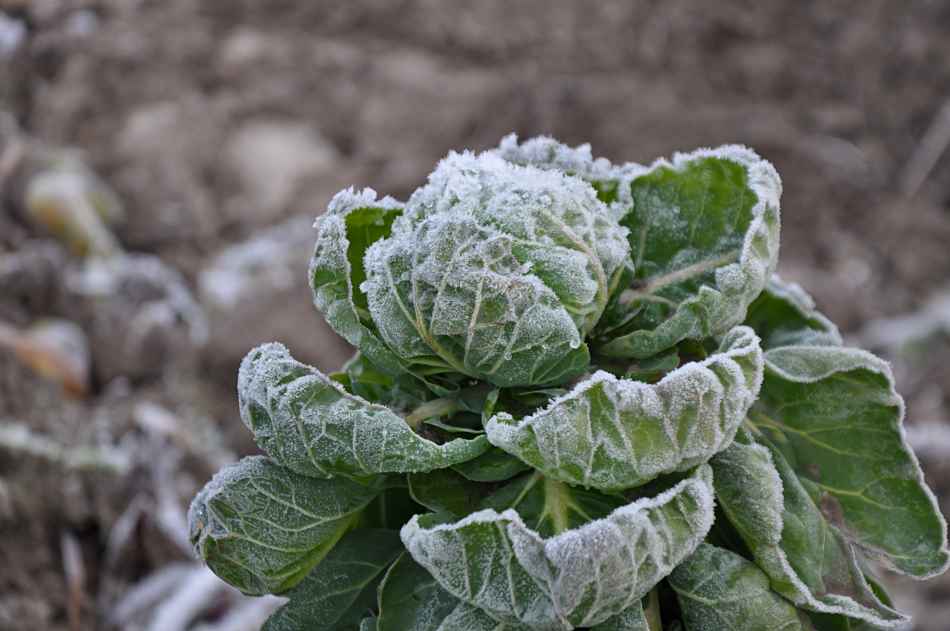
Brussels sprouts love cold weather and actually improve in taste after frost. These tall plants can handle temperatures down to 20°F (-7°C).
Plant transplants in mid or late summer. Keep the soil rich, water deeply, and mulch around the stalks. Stake tall plants to prevent them from snapping in heavy snow.
If temperatures drop suddenly, wrap plants with burlap for added protection.
5. Cabbage

Winter cabbage, especially Savoy types, stays crisp and flavorful even in freezing temperatures.
Plant transplants in late summer and keep soil evenly moist. Mulch around the base to prevent freezing. Use a row cover during severe cold or snowstorms to prevent head damage.
Harvest as heads firm up — cabbage keeps well both in the ground and in storage.
6. Leeks

Leeks are winter superheroes. Many varieties tolerate freezing soil and temps as low as 0°F (-18°C).
Plant seedlings in mid to late summer in deep trenches or holes. Hill soil up the stems as they grow to produce long, tender white stalks.
Mulch heavily with straw before hard frost so soil stays soft enough for winter harvesting.
7. Parsnips

Parsnips must be exposed to frost to develop their signature sweet flavor.
Sow in spring and leave in the ground through winter. Add 6–8 inches of mulch once the ground cools. Parsnips tolerate repeated freeze–thaw cycles and can be harvested anytime.
Mark beds with stakes so you can find them under snow.
8. Collard Greens
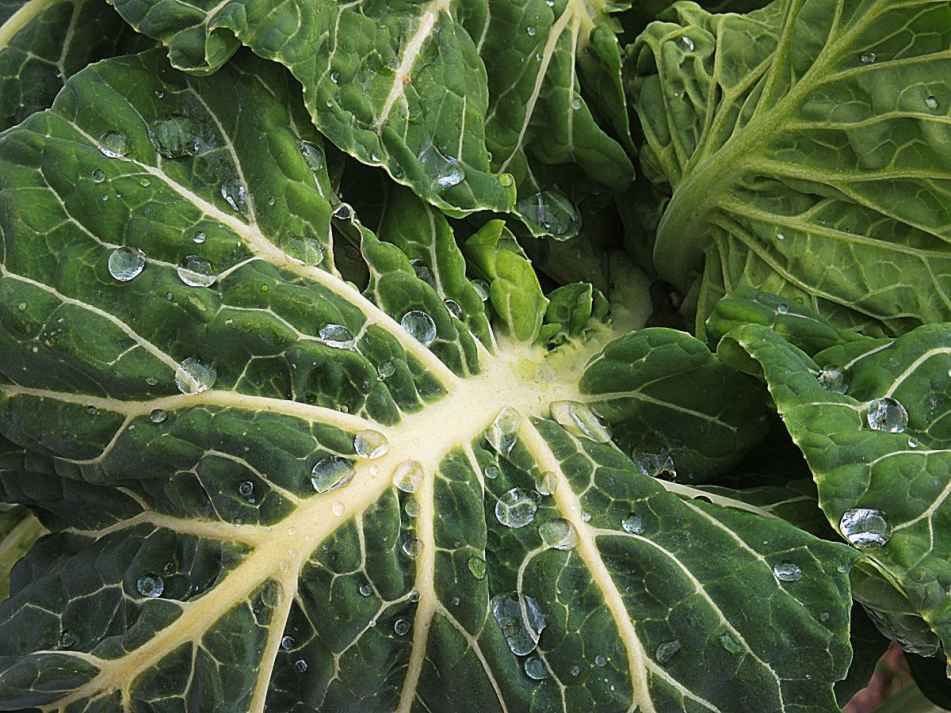
Collards are among the most cold-resistant greens. Some varieties handle temperatures around 10°F (-12°C).
Plant transplants in late summer, mulch around the base, and harvest outer leaves regularly. Even after snow, collards often bounce back with sweet, tender leaves.
9. Swiss Chard
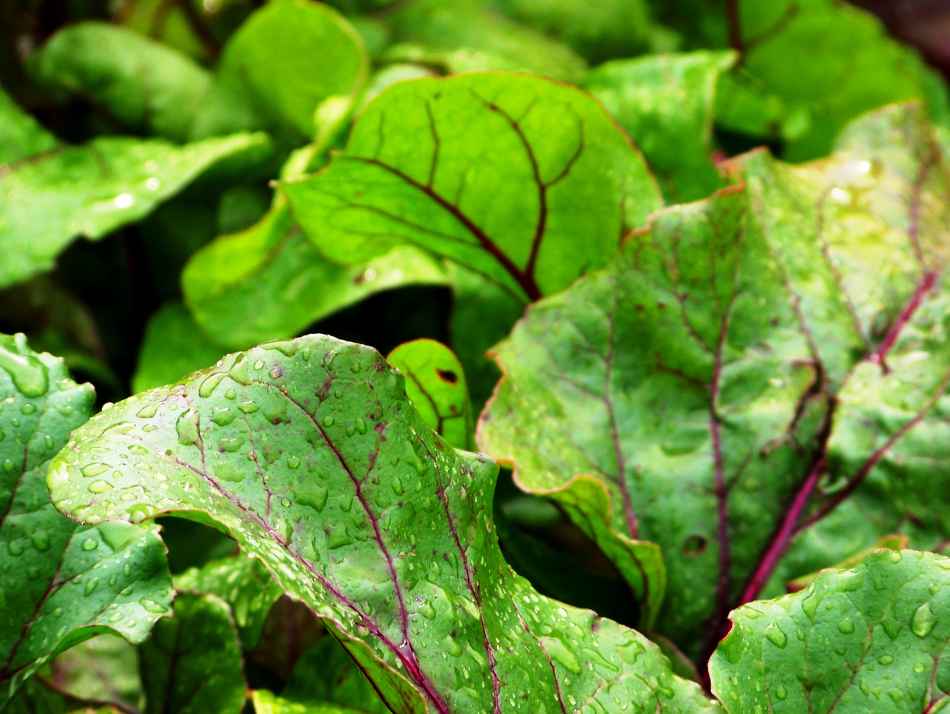
Chard is colorful, resilient, and keeps producing even with light frost.
Plant seeds or transplants in late summer. Mulch to keep roots warm and use row covers for strong cold snaps. Remove damaged leaves to encourage regrowth.
10. Beets

Beet roots and greens both handle winter weather.
Sow in late summer, thin seedlings, and apply mulch. In mild areas, beets can overwinter in the ground. In colder climates, protect with hoop houses or harvest before deep freezes.
Also Read: Why Are My Beets Growing Above Ground?
11. Radishes

Winter radishes like Daikon, Watermelon, and Black Spanish thrive in cold weather and grow fast.
Sow in late summer or early fall. Water regularly to prevent splitting, and mulch lightly to protect tender roots.
Harvest promptly to avoid woody texture.
12. Turnips

Turnips grow quickly and handle frost extremely well.
Sow in late summer, thin seedlings, and mulch around the plants. Both the greens and roots improve in flavor after frost.
Turnips can be succession planted for a steady supply.
13. Broccoli

Winter broccoli varieties can tolerate frost and keep forming side shoots after the main head is harvested.
Plant transplants in late summer. Mulch deeply and use row covers during harsh cold spells. Check for pests even in winter.
Harvest main heads when tight and firm to encourage more growth.
14. Cauliflower

Cauliflower prefers cool weather and forms sweeter heads in cold conditions.
Plant in mid-summer and maintain even moisture. Mulch to stabilize soil temperature. Tie outer leaves over the head to protect from frost and sun exposure.
Row covers help prevent winter damage.
Must Read: 19 Vegetables to Plant in October
15. Mustard Greens
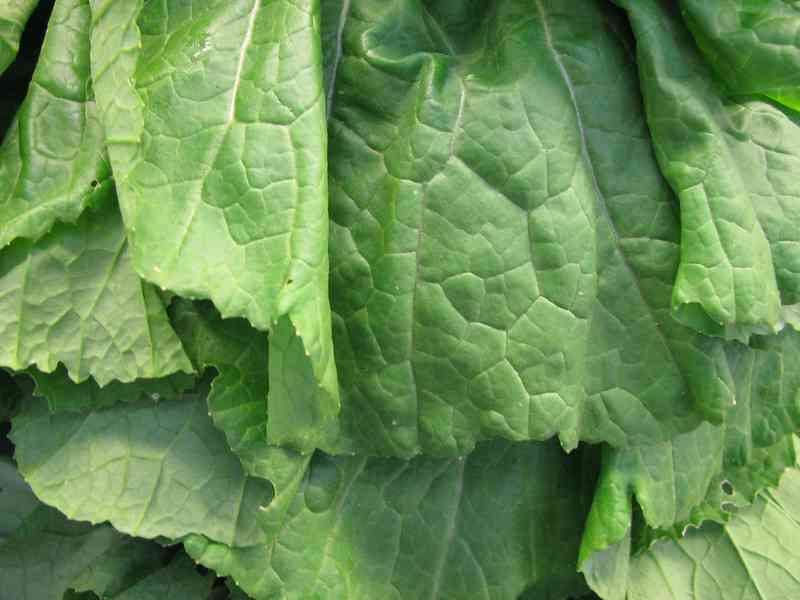
Mustard greens grow fast, tolerate frost, and develop even richer flavor in cold weather.
Sow in late summer. Thin seedlings and mulch around plants. Cover during extreme cold for best leaf quality.
16. Arugula

Arugula is a quick-growing salad green that loves cool temperatures.
Sow in late summer or early fall and harvest outer leaves regularly. Use row covers to extend the season and keep leaves tender.
17. Lettuce

Cold-hardy lettuces such as romaine and butterhead varieties continue producing in winter with light protection.
Plant seeds or seedlings in late summer. Use low tunnels, cold frames, or row covers for best results. Freeze-damaged leaves can be trimmed and plants will continue to grow.
18. Mâche (Corn Salad)

Mâche is one of the most cold-tolerant greens available. It grows slowly but survives deep freezes with minimal help.
Sow in fall. Thin seedlings and mulch lightly. Mâche thrives even in cold frames and snow-covered gardens.
19. Scallions (Green Onions)

Scallions are reliable, cold-hardy alliums that slowly continue growing through winter.
Plant in late summer. Mulch around plants and use row covers in very cold regions. Harvest as needed — scallions stay crisp even after repeated frost.
Winter Care Tips for Cold-Hardy Vegetables
Winter care for cold-hardy vegetables starts with providing basic protection against freezing temperatures. Use mulch, row covers, or cold frames to trap warmth and keep the soil from freezing too quickly.
Water the garden before a frost because moist soil holds heat better than dry soil. Just be careful not to overwater, as soggy winter soil can lead to rot and stress.
Choose sunny, sheltered spots for your winter beds to create natural microclimates. Remove damaged leaves, brush off heavy snow, and keep weeds down so plants stay healthy through the season.
Conclusion
Winter gardening lets you enjoy fresh, homegrown vegetables when most gardens are dormant. With the right varieties, a little soil preparation, and simple protective measures like mulching or row covers, your garden can keep producing all season.
Many winter crops taste their best after frost — sweeter, richer, and far more flavorful. With planning and patience, your winter garden will reward you with harvests well into spring.