Is January too cold to start a garden? Not at all! Many veggies love the chill, and they keep growing slowly and happily all through the winter months.
The best part is how easy these plants are. You plant the seeds, give them a little water, and they do most of the work for you.
Some of these veggies grow best in garden soil. Others do great in pots or small containers, so even a tiny porch or balcony can become a garden.
Here are some simple veggies you can plant this January. Grab your seeds, pick your favorites, and let’s get growing together!
19 Vegetables to Plant in January
January is a great time to plant in many places. The soil is cool, and lots of veggies grow well in cool weather. Some of them even taste sweeter after a chilly night.
Easy veggies are the ones that need very little care. They sprout fast, stay strong in the cold, and don’t need much help from you. Good examples are spinach, kale, radishes, peas, and lettuce.
Before you plant, check the weather where you live. If the ground freezes, start your seeds in pots indoors or use a simple cover to keep them warm.
Pick a spot with plenty of sun, and water only when the soil feels dry. If you are new to gardening, don’t worry.
These plants are friendly and forgive small mistakes. With a little patience, you will have fresh veggies on your table before spring even starts.
1. Spinach
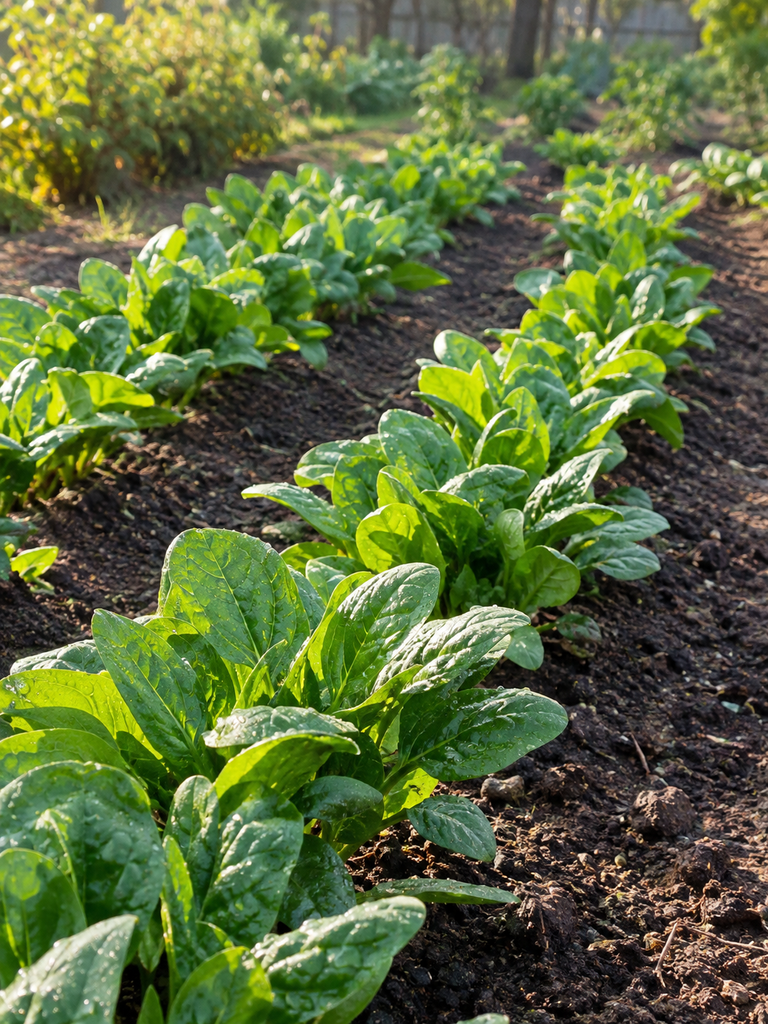
Spinach is one of the easiest veggies to grow in January. It loves cool weather, and it can even handle a light frost without any trouble. It also tastes milder and a little sweeter when the days are chilly.
Just sprinkle the seeds into the soil, about half an inch deep. Keep the soil a little damp, and you will see tiny green sprouts in about a week.
Pick a spot that gets some sun, but spinach is happy with a bit of shade too. You can start picking the leaves in about a month.
Take a few outer leaves at a time, and the plant will keep making more. Fresh spinach is great in salads, soups, and smoothies, so you will always find a way to enjoy it.
Also Read: How Long Does it Take to Grow Spinach?
2. Kale

Kale is a tough and tasty veggie that loves cold weather. It can handle frost, and a chilly night actually makes the leaves taste sweeter.
Plant the seeds about half an inch deep in soil that drains well. Keep the soil a little damp, and tiny sprouts will pop up in about a week.
Kale likes a sunny spot, but it does fine with some shade too. Give it water when the soil feels dry, and it will grow strong with very little help.
You can pick the leaves in about two months. Take the bottom leaves first and leave the top ones, so your kale keeps growing all winter.
3. Radishes

Radishes are super fast growers, and they like cool weather. You can pick them in just 3 to 4 weeks.
Sow the seeds about half an inch deep and a small space apart. Keep the soil damp, and the sprouts will show up in a few days.
Pick them when the tops of the roots peek out of the soil. Wash them well, and enjoy their crunchy, peppery bite in salads or on their own.
4. Peas

Peas are a sweet and easy veggie for January. They love cool weather and can handle a light frost.
Plant the seeds about an inch deep in soil that drains well. Soaking them in water for a few hours first helps them sprout faster.
Peas like to climb, so give them a fence, a net, or some sticks. This keeps the vines off the ground and makes picking much easier.
Water them when the soil feels dry, and pick the pods when they feel plump. The more you pick, the more peas the plant will make.
5. Lettuce

Lettuce is a great pick for January because it loves the cool air. It grows well in pots, so it is perfect for small spaces.
Scatter the seeds on top of the soil and cover them with a thin layer of dirt. Keep the soil a little damp, and tiny leaves will pop up in about a week.
You can start picking leaves in about a month. Take a few outer leaves at a time, and the plant will keep growing fresh ones.
6. Carrots
Carrots are simple to grow, and they like cool soil. Cold weather even makes them taste sweeter.
Sow the seeds about a quarter inch deep in loose soil with no rocks. Loose soil helps the roots grow long and straight.
Carrot seeds take a couple of weeks to sprout, so be patient. Keep the soil damp the whole time, and thin the sprouts so each one has room to grow.
In about two to three months, your carrots will be ready. Gently pull one up to check, and enjoy the crunchy, sweet treat you grew yourself.
Check this: What to Plant in November?
7. Beets

Beets are a great two-in-one veggie for January. You can eat the sweet, round roots and the tasty green leaves too.
Plant the seeds about half an inch deep in loose, sunny soil. Each seed is really a tiny cluster, so a few sprouts may pop up together.
Thin the sprouts so each plant has room to grow. Water them when the soil feels dry, and they will do the rest on their own.
Your beets will be ready in about two months. Pull them when they are the size of a golf ball, and enjoy them roasted, boiled, or fresh in salads.
8. Turnips

Turnips are quick growers that don’t mind cold soil. They are a smart pick if you want veggies fast with very little work.
Sow the seeds about half an inch deep and a few inches apart. Keep the soil damp, and you will see small green sprouts in about a week.
Turnips like a sunny spot, but they grow fine in light shade too. Water them often enough that the soil never dries out completely.
You can pick the leaves early and the roots in about two months. Harvest the roots when they are the size of a small apple, so they stay sweet and soft.
9. Swiss Chard

Swiss chard is a pretty plant with bright red, yellow, and pink stems. It is strong in the cold and keeps giving you leaves for months.
Plant the seeds about half an inch deep in soil that drains well. Soak them in water for a few hours first, and they will sprout faster.
Chard loves a sunny spot, but it can grow in part shade too. Water it when the soil feels dry, and add a little compost if you have some.
Start picking the outer leaves when they are about six inches long. Leave the center alone, and the plant will keep growing fresh leaves all winter.
10. Arugula

Arugula is one of the fastest veggies you can grow in January. It sprouts in just a few days and loves the cool air.
Scatter the seeds on the soil and cover them with a thin layer of dirt. Keep the soil a little damp, and tiny leaves will show up in no time.
It grows well in pots, window boxes, and small garden beds. A sunny spot is best, but a little shade keeps the leaves from turning too bitter.
You can start picking leaves in about three to four weeks. Snip a few at a time, and enjoy the fresh, peppery taste in salads, sandwiches, and pasta.
11. Mustard Greens

Mustard greens are fast-growing leaves with a little kick of spice. They love cool weather and grow well all through January.
Sow the seeds about half an inch deep in soil that drains well. Keep the soil damp, and you will see sprouts in about four to seven days.
Pick a sunny spot, and water the plants when the soil feels dry. Cool weather keeps the leaves tender and less sharp in taste.
You can start picking young leaves in about three to four weeks. Cut a few at a time, and enjoy them in salads, soups, or stir-fries.
12. Collard Greens

Collard greens are hardy plants that stay strong in the cold. A little frost does not bother them, and it even makes the leaves taste sweeter.
Plant the seeds about half an inch deep in rich soil. You can also start them in small pots and move them outside when they are a few inches tall.
Give them a sunny spot and plenty of room, since the leaves grow big and wide. Water them often enough to keep the soil a little damp.
Pick the bottom leaves first when they are about the size of your hand. The plant will keep growing new leaves, so you can harvest again and again.
The leaves are great cooked in soups, stews, or as a healthy side dish. They are also full of good stuff that helps your body stay strong.
13. Garlic

Garlic is one of the easiest veggies to grow, and it needs almost no work. It loves the cold, and the chilly weather helps the bulbs grow big.
Break a bulb into single cloves and plant each one about two inches deep. Place the pointy end up, and space the cloves a few inches apart.
Pick a sunny spot with soil that drains well, and water only when the soil feels dry. A layer of straw or dry leaves on top keeps the soil cozy and weeds away.
Green shoots will pop up in a few weeks, and the bulbs will be ready in about five to eight months. Pull them up when the lower leaves turn brown and dry.
14. Onions

Onions are slow growers that mostly take care of themselves. They like cool weather in the beginning, which makes January a good time to start.
Plant small onion sets or seedlings about one-inch deep and four inches apart. Starting with sets is the easiest way, and it saves you lots of time.
Choose a sunny spot with loose soil, and water them once a week. Pull out weeds gently, since onions do not like to share their space.
You can eat the green tops early, like green onions. The full bulbs will be ready in a few months, when the tops fall over and turn yellow.
Also Read: 19 Cold-Hardy Vegetables You Can Grow This Winter
15. Broccoli
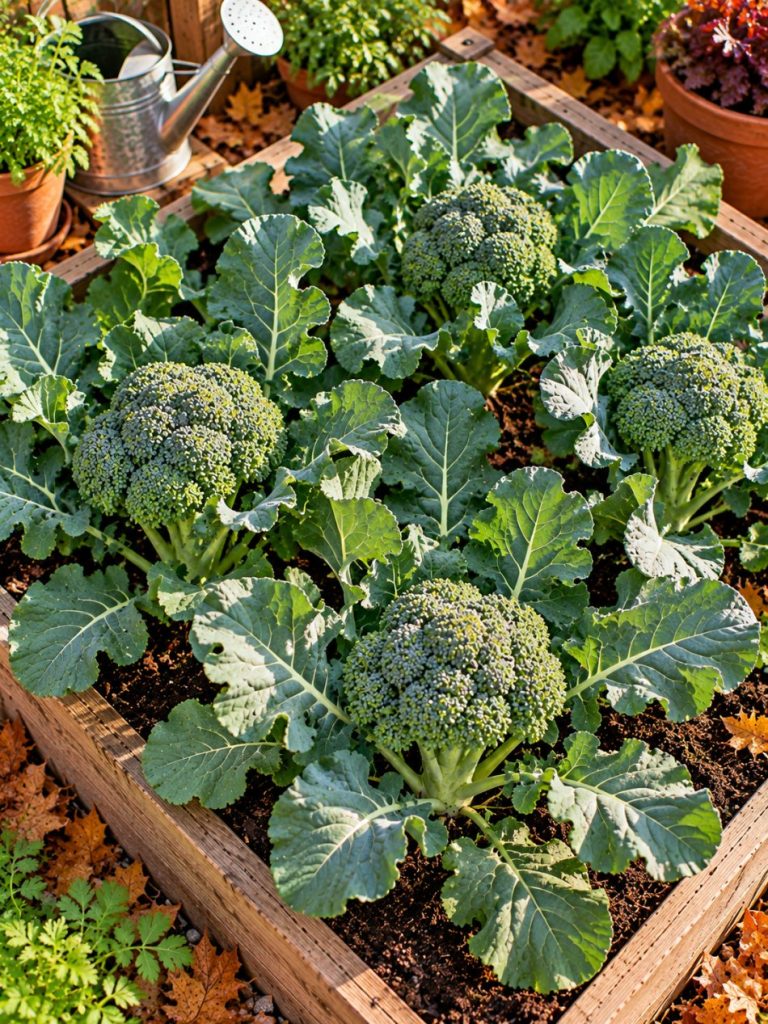
Broccoli likes cool weather, so January is a nice time to grow it. The cold helps the heads stay tight and sweet.
Start the seeds in small pots, planting them about a quarter inch deep. When the seedlings have a few leaves, move them outside to a sunny spot.
Give each plant plenty of room, about a foot and a half apart. Water them often, and add a little compost to help them grow big and strong.
Cut the main head when the buds are firm and tight, before any yellow flowers show. After that, the plant will keep making smaller side shoots for you to pick.
16. Cabbage

Cabbage is a sturdy veggie that does not mind the chill. A little frost can even make the leaves taste sweeter.
Start the seeds in pots, about a quarter inch deep, and keep them in a bright spot. After a few weeks, move the seedlings into the garden.
Plant them about a foot and a half apart, since the heads grow big and round. Choose a sunny spot, and water them when the soil feels dry.
Cabbage takes about two to three months to be ready. Cut the head at the base when it feels firm, and enjoy it in salads, soups, or slaws.
17. Bok Choy

Bok choy grows quickly and loves cool weather. It is a great pick for small spaces, because the plants stay neat and compact.
Sow the seeds about half an inch deep in rich, damp soil. You will see little sprouts in about a week.
Give it a sunny spot or a bit of light shade, and water it often. Steady water keeps the stems crisp and the leaves tender.
You can pick baby bok choy in about a month, or wait longer for full-size plants. Cut the whole plant at the base, or pick a few outer leaves at a time.
It tastes great in stir-fries, soups, and noodle dishes. The crunchy stems and soft leaves make every bite fun.
18. Green Onions

Green onions are easy to grow, and they do well in pots. They like cool weather and grow fast, so you will have them on your table soon.
Plant the seeds about half an inch deep, or use small bulbs from the store. You can even regrow them by placing the white roots in soil.
Put them in a sunny spot, and water them when the soil feels dry. They do not need much room, so a small pot or window box works well.
You can start snipping the green tops in about three to four weeks. Cut just what you need, and the plant will grow new leaves again and again.
19. Kohlrabi

Kohlrabi is a funny-looking veggie that is crunchy, sweet, and simple to grow. It loves cool weather, so January is a good time to plant it.
Sow the seeds about half an inch deep in rich soil that drains well. You can also start them in small pots and move them outside after a few weeks.
Pick a sunny spot, and give each plant about six inches of space. Water it often, since steady water keeps the round stems soft and juicy.
You can pick kohlrabi in about two months, when the bulbs are the size of a tennis ball. Peel the outer skin, then slice it for salads, soups, or a crunchy snack.
Conclusion
January does not have to be a quiet month in the garden. With the right veggies, you can keep your plants growing even when the weather is chilly.
The veggies on this list are easy and need very little care. You plant them, give them water, and they do most of the work for you.
Start with a few that you love to eat, and add more as you feel ready. Small steps are the best way to grow your garden and your confidence.
Soon you will be picking fresh, tasty veggies right from your own space. Happy planting, and enjoy every crunchy bite!