November might feel like the end of the garden year, but it is not. Many plants love the cool weather. You can still fill your yard with food and color.
Veggies like spinach, kale, and garlic grow well when the days get cooler. Some even taste sweeter after a chilly night. Your dinner plate will thank you.
Herbs are easy to grow this time of year too. Parsley, cilantro, and chives do great in pots and small spaces. You can grab fresh leaves all winter long.
Flowers can join the fun as well. Pansies, violas, and sweet peas add bright color when everything else fades. Let’s look at what to plant this November.
What to Plant in November?
The best things to plant in November are tough plants that like cool days. Check your local frost dates first, since they change from place to place. Warm areas can plant more, while colder areas should pick hardy plants.
Veggies like spinach, lettuce, kale, peas, radishes, and garlic do well now. Garlic goes in the ground this month and grows slowly until spring.
Cover your beds with mulch to keep the soil warm and the roots happy. Herbs like parsley, cilantro, chives, and thyme can handle the cold.
Flowers like pansies, snapdragons, sweet peas, and spring bulbs also love this season. Plant bulbs now, and you will get pretty blooms when spring comes.
1. Garlic
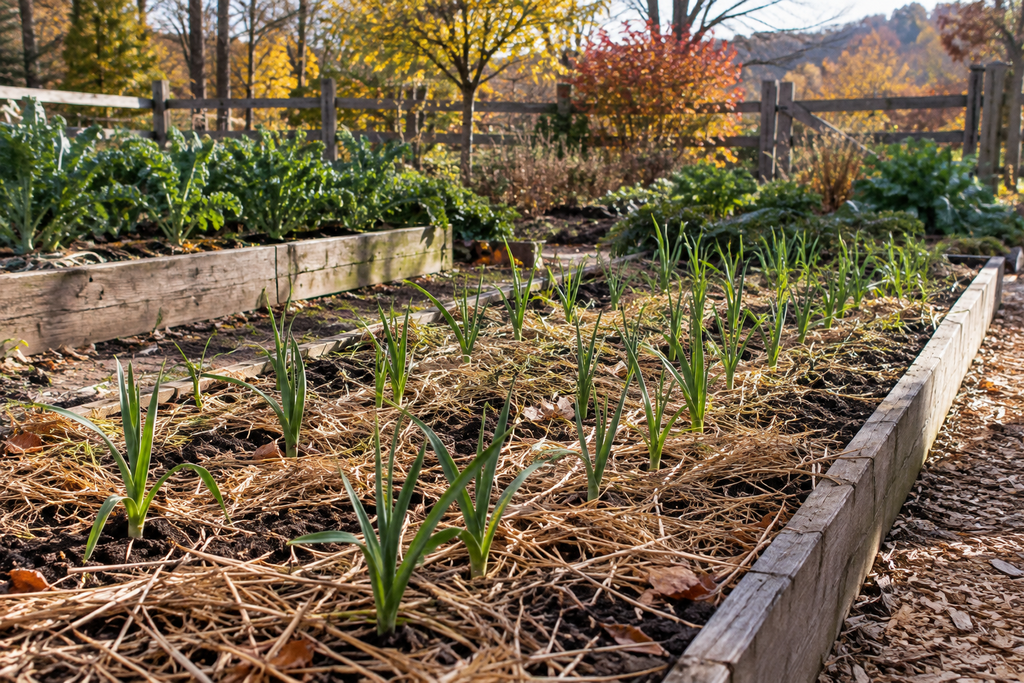
Garlic is one of the best plants to start in November. It likes cool soil and grows slowly under the ground all winter.
Plant each clove with the pointed end up, about two inches deep. Space them four to six inches apart in a sunny spot with loose soil.
Add a layer of mulch to protect the cloves from hard frost. By early summer, you will have fresh bulbs ready to pick.
Also Read: 19 Cold-Hardy Vegetables You Can Grow This Winter
2. Spinach
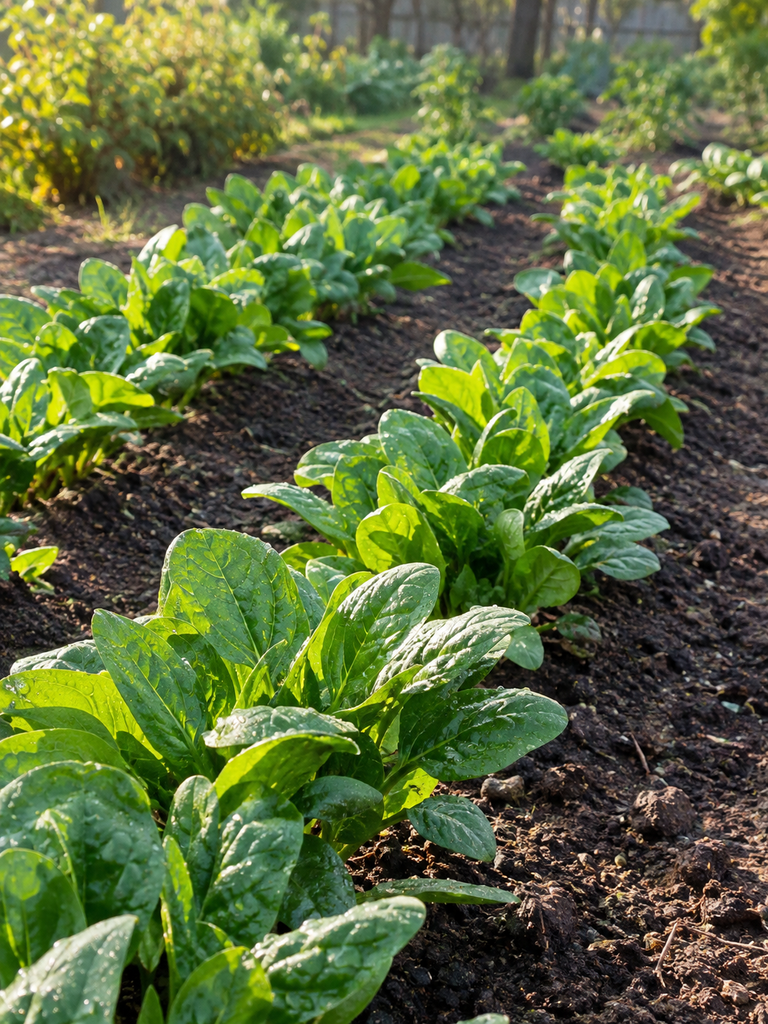
Spinach loves cool weather, which makes November a great time to plant it. It grows fast and does not mind a light frost.
Sow the seeds about half an inch deep in rich, moist soil. Space the rows a foot apart so the leaves have room to grow.
Pick a spot with sun in the morning and a little shade later. Water often, because dry soil makes the leaves taste bitter.
You can start picking baby leaves in about a month. Cut a few at a time, and the plant will keep growing more.
3. Kale
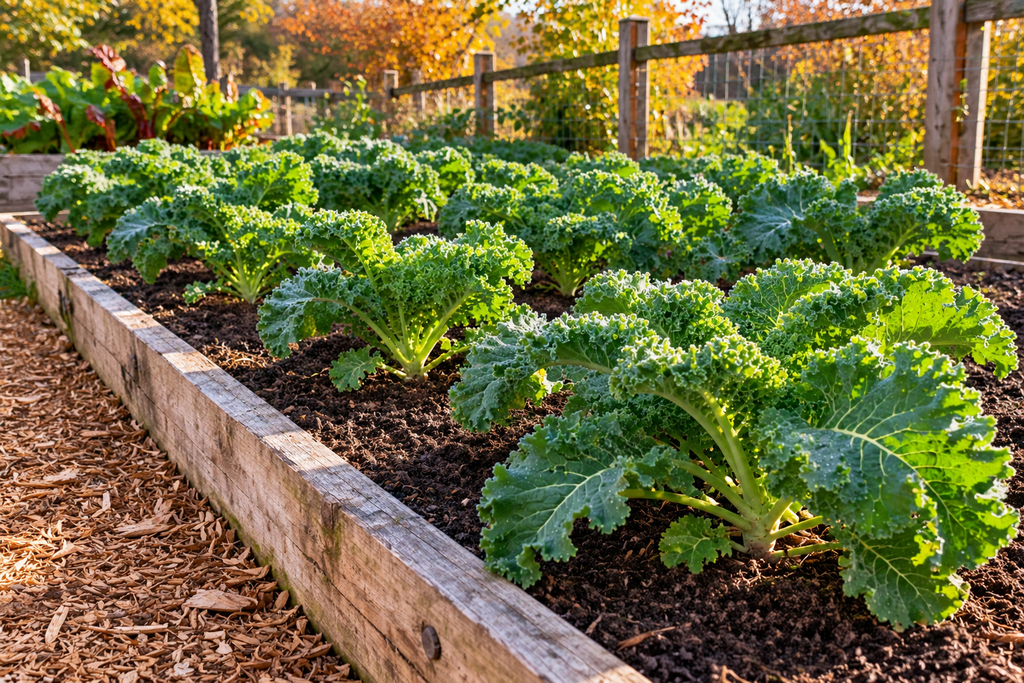
Kale is a tough plant that grows very well in cold weather. A little frost even makes the leaves taste sweeter and softer, so November is a great time to plant it.
Plant seeds or small starter plants about a foot apart in a sunny spot. Water them well after planting, and mix a bit of compost into the soil to give them a strong start.
Pick the outer leaves first and leave the middle part alone so it keeps growing. With a little care, you can enjoy fresh kale all winter long.
Check this: 17 Budget-Friendly Patio Vegetable Garden Ideas
4. Lettuce
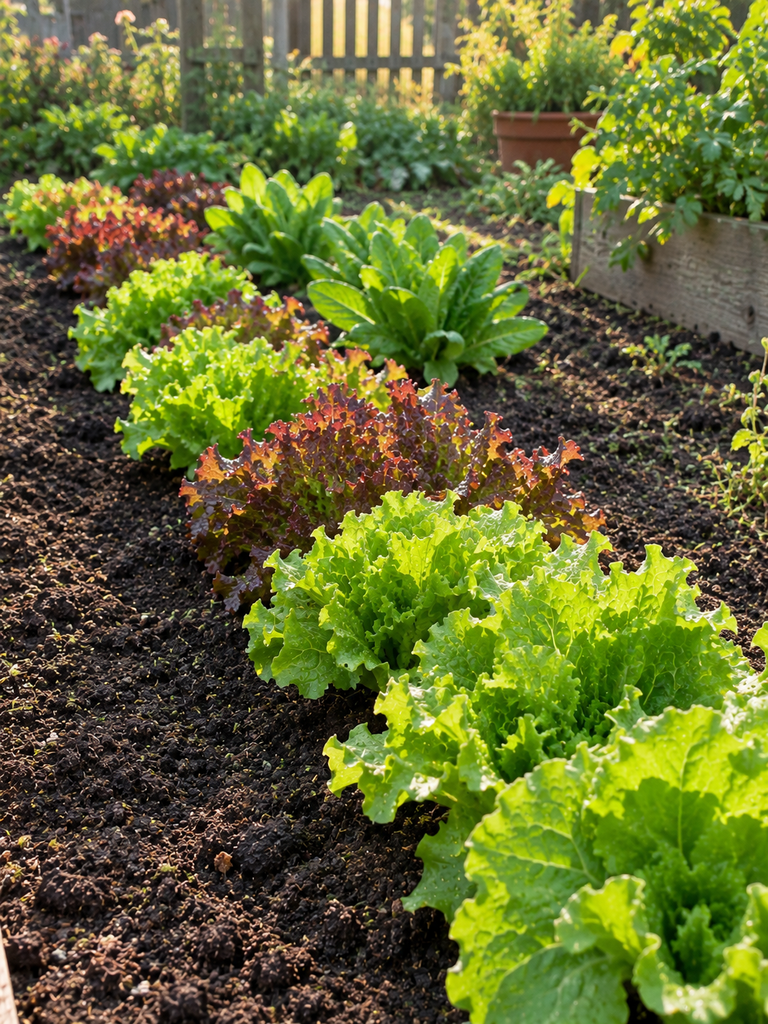
Lettuce is quick and easy to grow in the cool days of November. It is a great pick for new gardeners because it does not need much space or care.
Scatter the seeds on top of loose soil and cover them with a thin layer of dirt. Keep the soil damp so the tiny seeds can sprout without drying out.
Try leaf types like romaine or red leaf lettuce. They grow faster than head types, and you can start picking them much sooner.
Lettuce does well in pots and window boxes too, so a small porch or balcony works just fine. Cut the leaves when they are a few inches tall, and new ones will keep growing back.
5. Peas
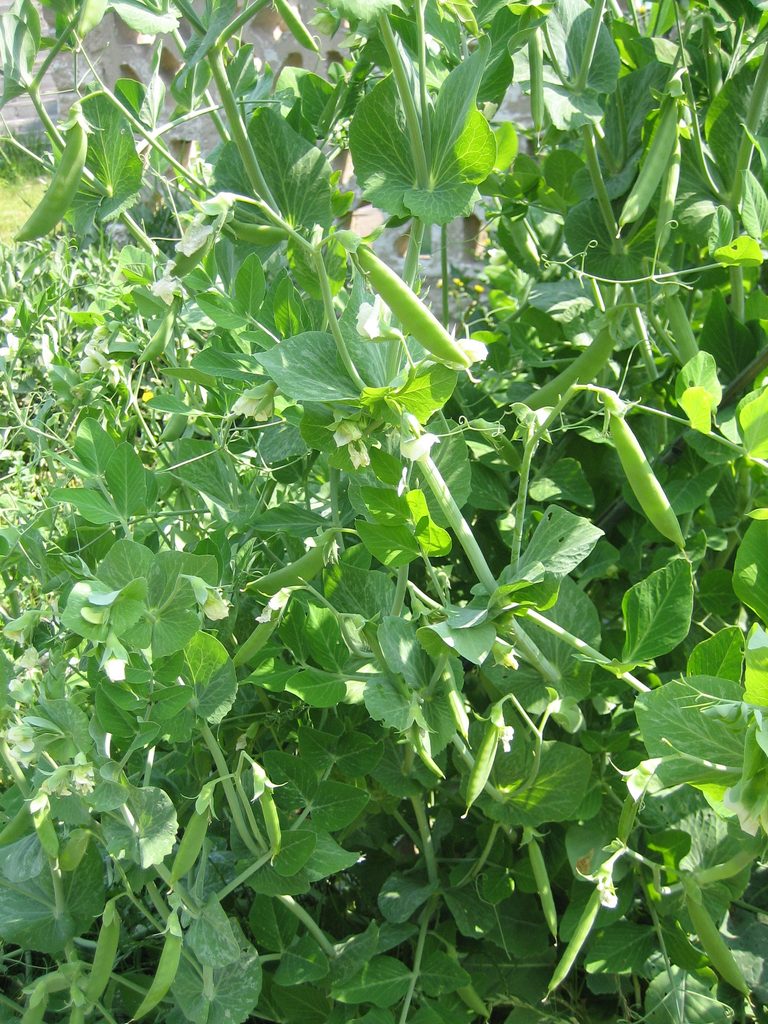
Peas enjoy the chill and grow best when the nights are cool. They add a fresh, sweet crunch to your garden and your dinner plate.
Push the seeds one inch deep into the soil, about two inches apart. Set up a fence, a net, or small stakes so the vines have something to climb as they grow.
Water them gently and do not let the soil dry out. Pick the pods often, because the more you pick, the more the plants will make.
Check this: 22 DIY Greenhouse Shelf Ideas to Maximize Growing Space
6. Radishes

Radishes are one of the fastest veggies you can grow, and some are ready to eat in just four weeks. That makes them a fun choice if you do not like waiting.
Sow the seeds half an inch deep in loose, sunny soil. Space them about an inch apart so the roots have enough room to grow round and plump.
Radishes like cool weather, so November is a perfect time to plant them. Hot days can make them spicy and tough.
Keep the soil damp, and pull them up when the tops of the roots peek out of the ground. Eat them fresh in salads, or try them on toast with a little butter.
7. Carrots
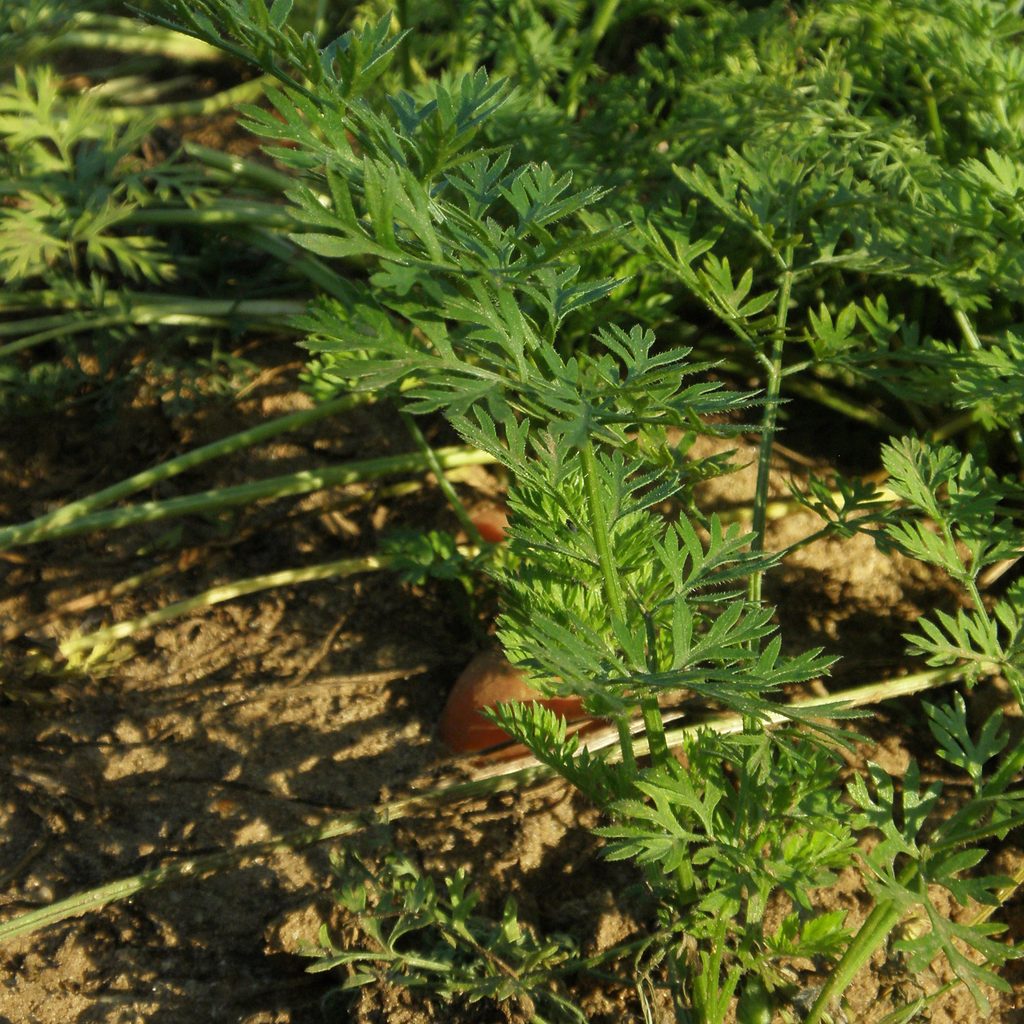
Carrots grow well in the cool days of November. The cold air turns their starches into sugar, so they come out extra sweet.
Sow the seeds in deep, loose soil that is free of rocks and sticks. Rocks can make the roots bend or split, so clear the bed before you plant.
Cover the seeds with a thin layer of soil and keep it damp. Carrot seeds take a couple of weeks to sprout, so be patient.
Thin the seedlings to about two inches apart once they are up. This gives each carrot room to grow long and straight.
8. Beets
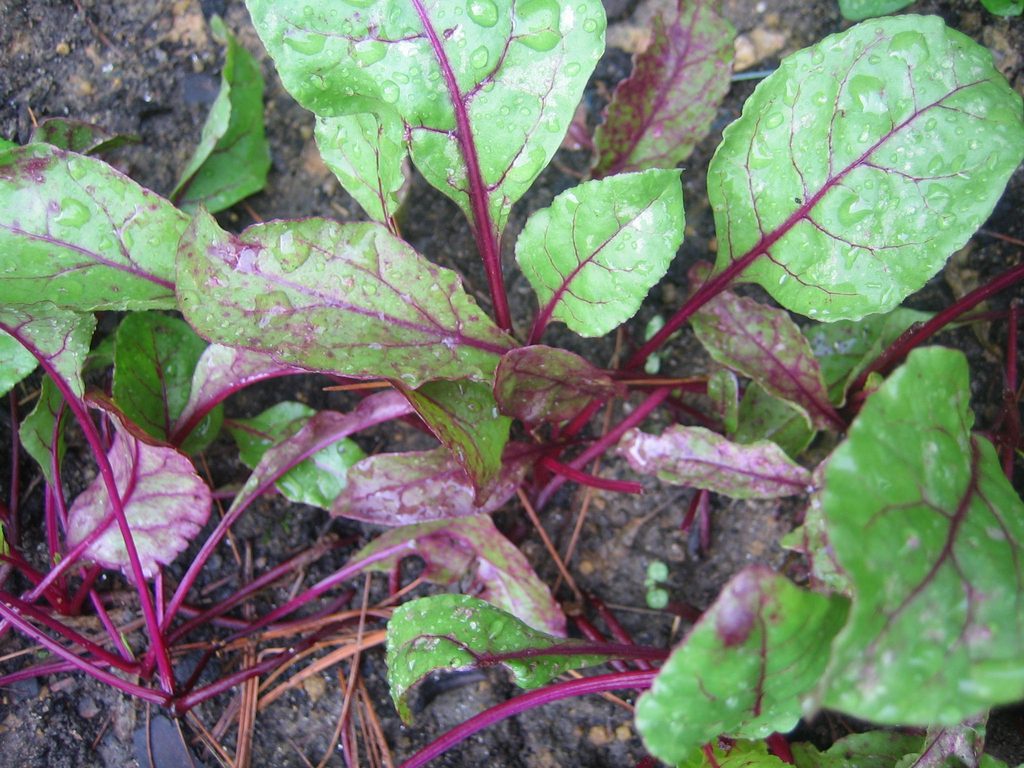
Beets are an easy veggie that does not mind the chill. You get two crops in one, because you can eat both the roots and the leaves.
Plant the seeds half an inch deep and about two inches apart. Each beet seed is really a tiny cluster, so a few plants may pop up from one spot.
Thin the baby plants so the roots have space to grow round and full. Do not toss the thinned leaves, because they are tasty in salads.
Also Read: 19 Vegetables You Can Grow Hydroponically
9. Onions
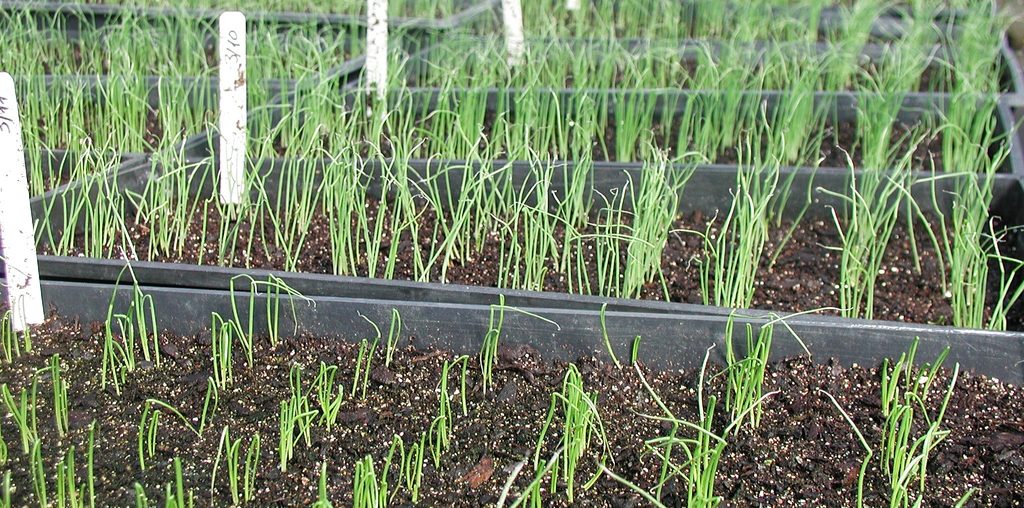
Onions are a smart pick for November, especially in mild areas. They grow slowly through the cool months and get bigger when spring comes.
Plant small onion sets or starter plants about one inch deep, with the pointed end up. Leave four inches between each one so the bulbs can swell.
Pick a sunny spot with soil that drains well. Soggy soil can make the bulbs rot, so do not overwater.
When the green tops fall over and turn brown, your onions are ready to pull. Let them dry in the shade for a few days before you store them.
10. Broccoli
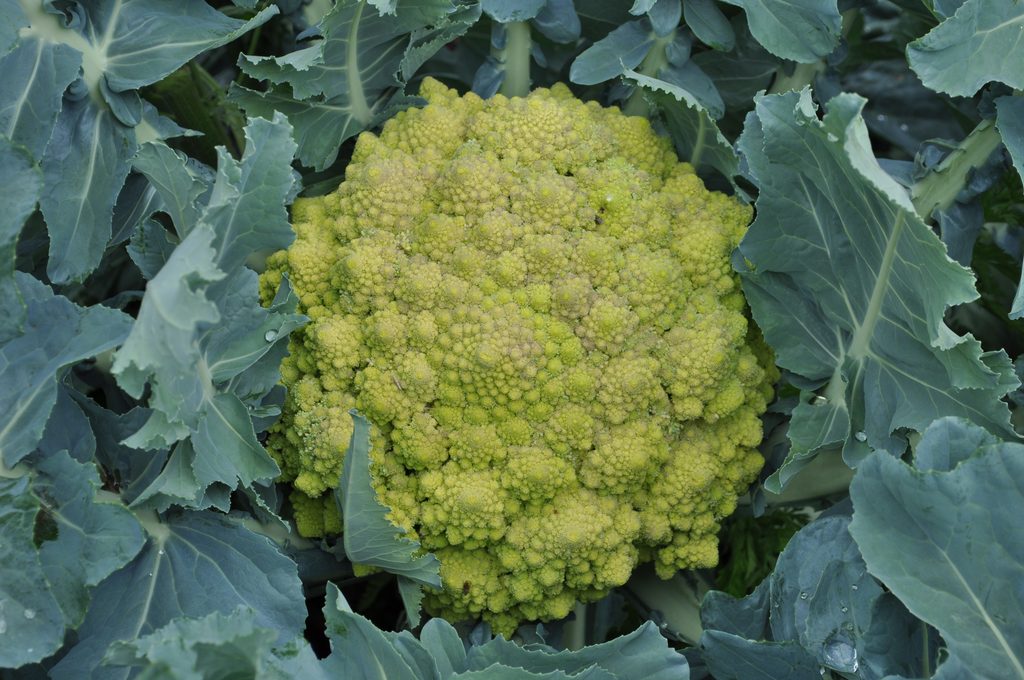
Broccoli loves cool weather and grows strong when the days are mild. A November planting can give you big, healthy heads in the winter.
Start with small starter plants, since they are easier than seeds. Set them about 18 inches apart in a sunny spot with rich soil.
Water often and feed them with compost to help the heads grow thick and green. Cut the main head when the buds are tight and firm, and smaller side shoots will keep coming for weeks.
11. Cabbage
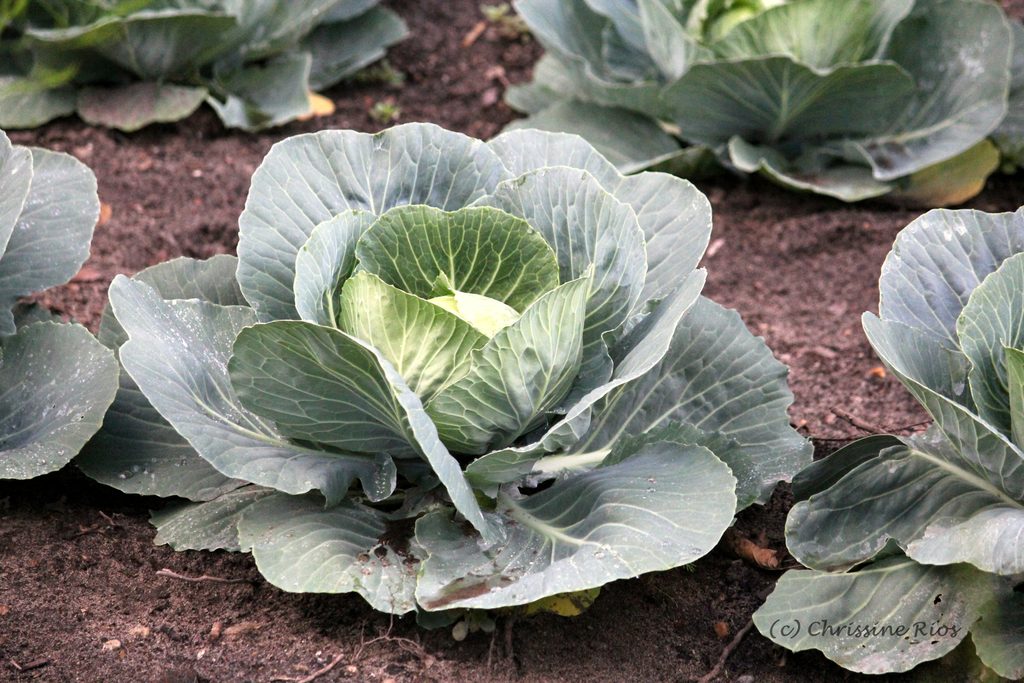
Cabbage is a cool-weather champ that grows well in November. It can handle light frost, and the cold even makes the leaves taste sweeter.
Plant small starter plants about 18 inches apart in a sunny spot with rich soil. Give them plenty of water, and mix in some compost to help the heads grow big and firm.
Keep an eye out for small green worms that like to munch on the leaves. Check the plants often and pick the pests off by hand to keep your cabbage safe.
Pick the head when it feels tight and solid when you squeeze it. Cut it at the base, and you may even get small new heads to grow later.
12. Parsley
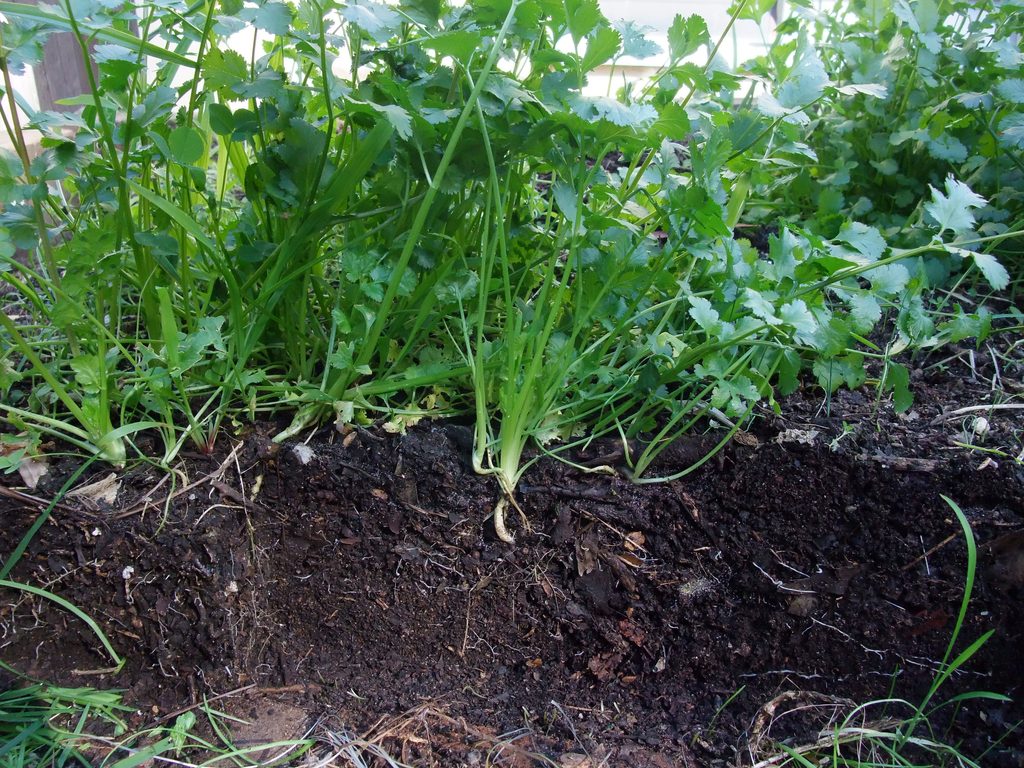
Parsley is a hardy herb that grows well in the cool days of November. It does not mind a light frost, and it keeps growing slowly through the winter.
Parsley seeds are slow to sprout, so soak them in warm water overnight before planting. Sow them a quarter inch deep in rich soil, and keep the soil damp.
Choose a spot with morning sun and a little shade in the afternoon. Pots and window boxes work great too, so you can keep it close to your kitchen door.
13. Cilantro

Cilantro loves cool weather and tends to struggle in the heat. That makes November a perfect time to plant it and enjoy fresh leaves for your meals.
Sow the seeds half an inch deep and about two inches apart. Scatter a new batch every few weeks, and you will always have fresh leaves to pick.
Keep the soil damp, and give the plants some sun with a bit of shade. Snip the leaves often, and the plant will keep making more.
Cilantro can go to seed quickly when the weather warms up. Do not worry, because the seeds are the spice called coriander, which is great in cooking.
14. Chives
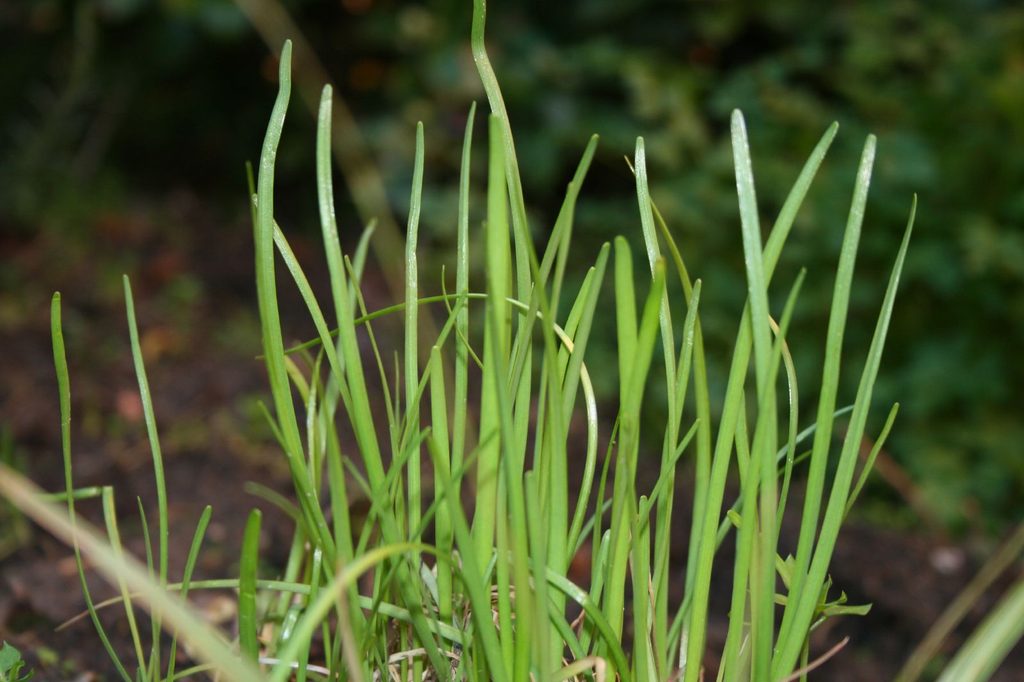
Chives are one of the easiest herbs you can grow. They come back year after year, and they handle the cold with no trouble.
Plant seeds or small clumps about six inches apart in a sunny spot. Water them well at first, and they will settle in fast.
Snip the green stems with scissors, leaving about two inches above the soil. The more you cut, the more they grow, so use them often on eggs, soups, and potatoes.
15. Thyme
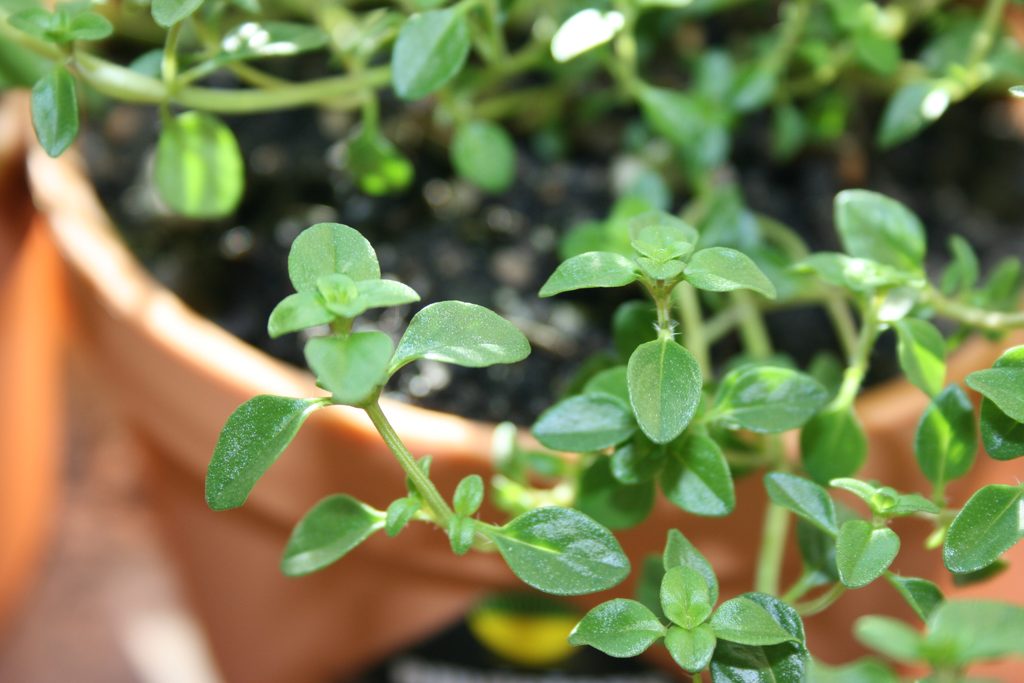
Thyme is a tough little herb that likes sun and well-drained soil. It can handle the chilly days of November and stay green all winter in many areas.
Plant starter plants about a foot apart, since seeds can take a long time to grow. Pick a spot with lots of sun and soil that does not stay soggy.
Water only when the soil feels dry, because too much water can hurt the roots. Soggy soil is the main thing that thyme does not like.
Snip a few sprigs whenever you need them, and the plant will grow bushier. Fresh thyme tastes wonderful in soups, roasted veggies, and chicken dishes.
16. Dill
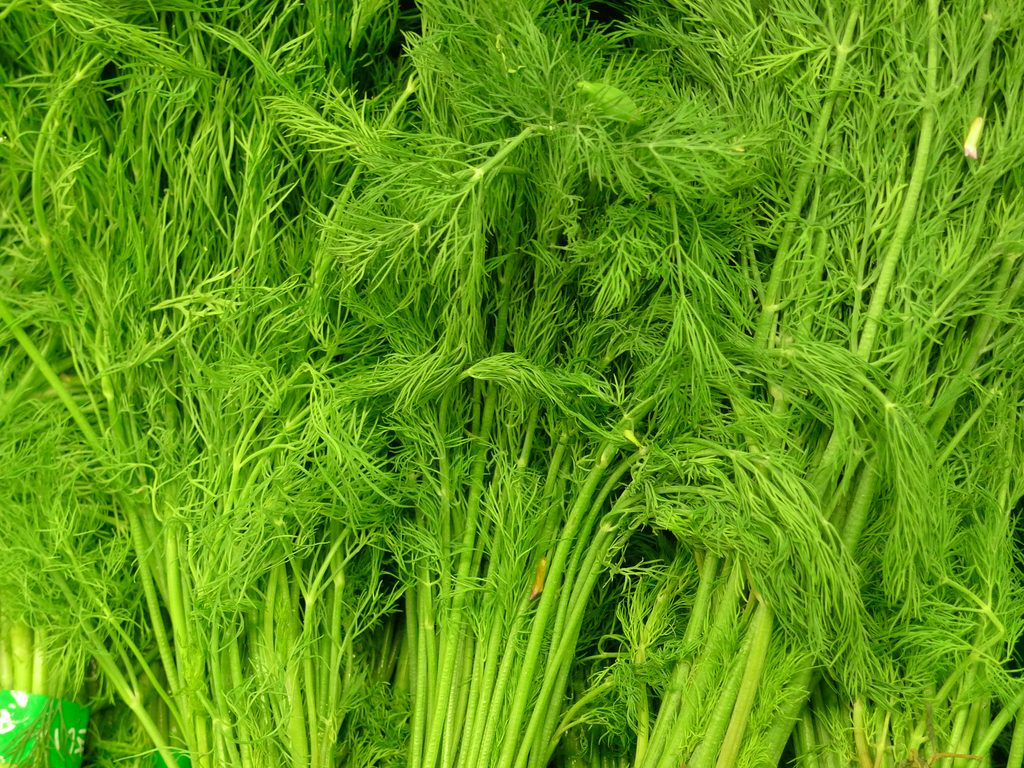
Dill is a light, feathery herb that grows well in the cool days of November. It likes mild weather and can handle a little chill with no trouble.
Sow the seeds a quarter inch deep in a sunny spot with loose soil. Dill grows a long root, so skip moving it once it sprouts, and plant it where you want it to stay.
Water it often, but do not let the soil get soggy. Snip the leaves as you need them, and use them on fish, potatoes, and salads for a fresh taste.
17. Pansies
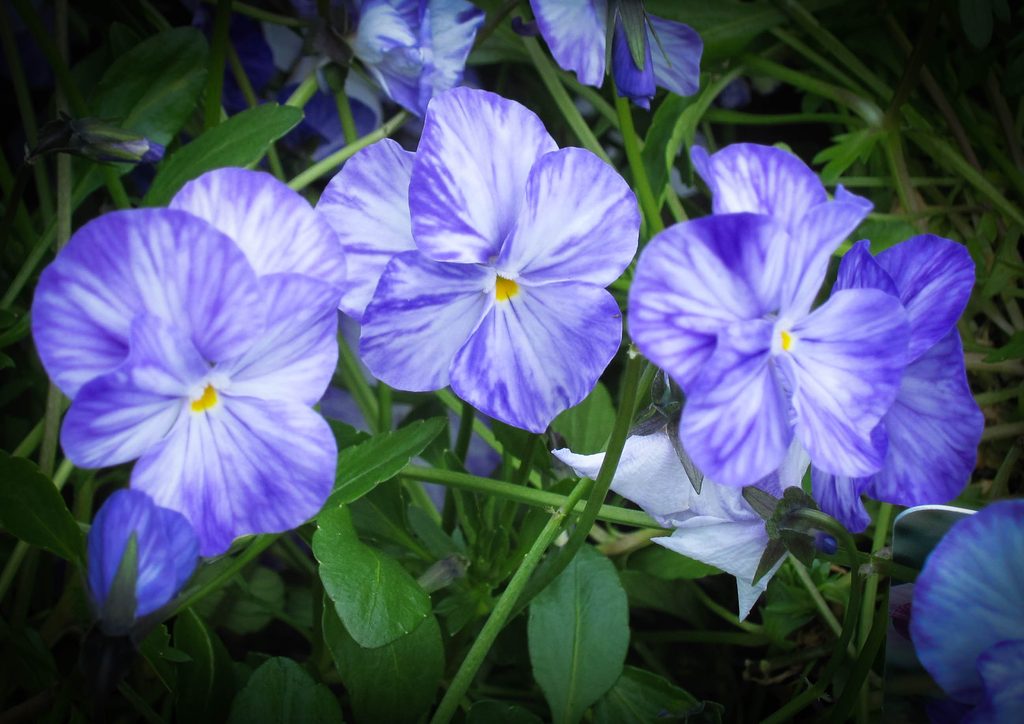
Pansies are bright, cheerful flowers that love the cool days of November. They come in many colors, and their little faces bring joy to any garden.
Plant small starter plants about six inches apart in a spot with sun or light shade. Mix a bit of compost into the soil to help the roots grow strong.
Water them often, but do not let the soil get soggy. Pinch off old flowers, and the plants will keep making new blooms all season.
18. Violas
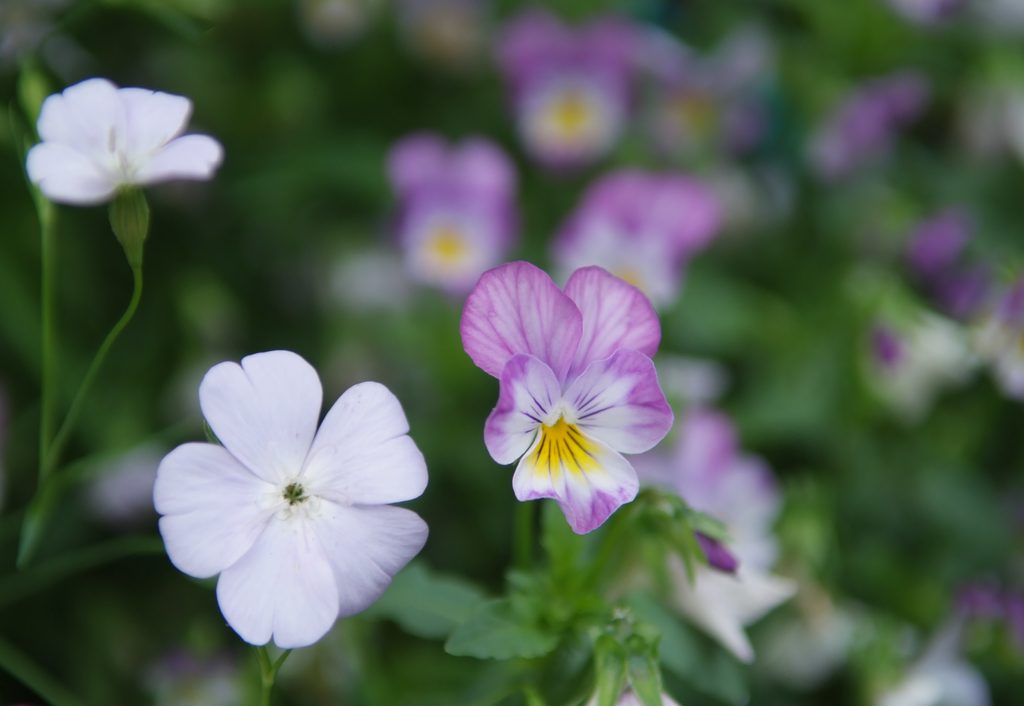
Violas look like small pansies, and they are just as tough. They handle the cold well and keep blooming even on chilly days.
Their tiny flowers come in purple, yellow, white, and blue. Many types have sweet little patterns that look like painted faces.
Plant them in pots, window boxes, or along the edge of a garden bed. Set them about six inches apart in sun or light shade.
Violas are easy to care for and need only a little water. The flowers are even safe to eat, so you can add them to salads and cakes for a pretty touch.
19. Snapdragons
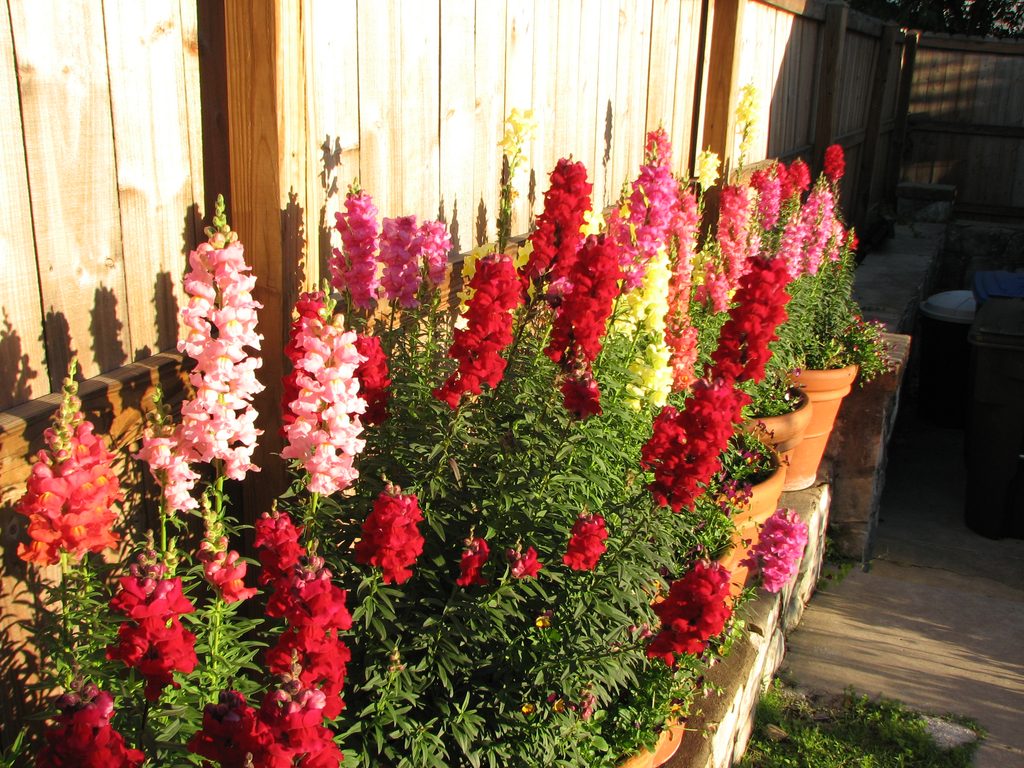
Snapdragons are tall, colorful flowers that do well in the mild chill of November. Their blooms look like tiny dragon mouths that open when you gently squeeze them.
Plant starter plants about ten inches apart in a sunny spot with soil that drains well. Water them deeply, and add mulch to keep the roots cool and damp.
Pick the flowers often to keep the plants blooming. They look lovely in a vase and last a long time after cutting.
20. Sweet Peas
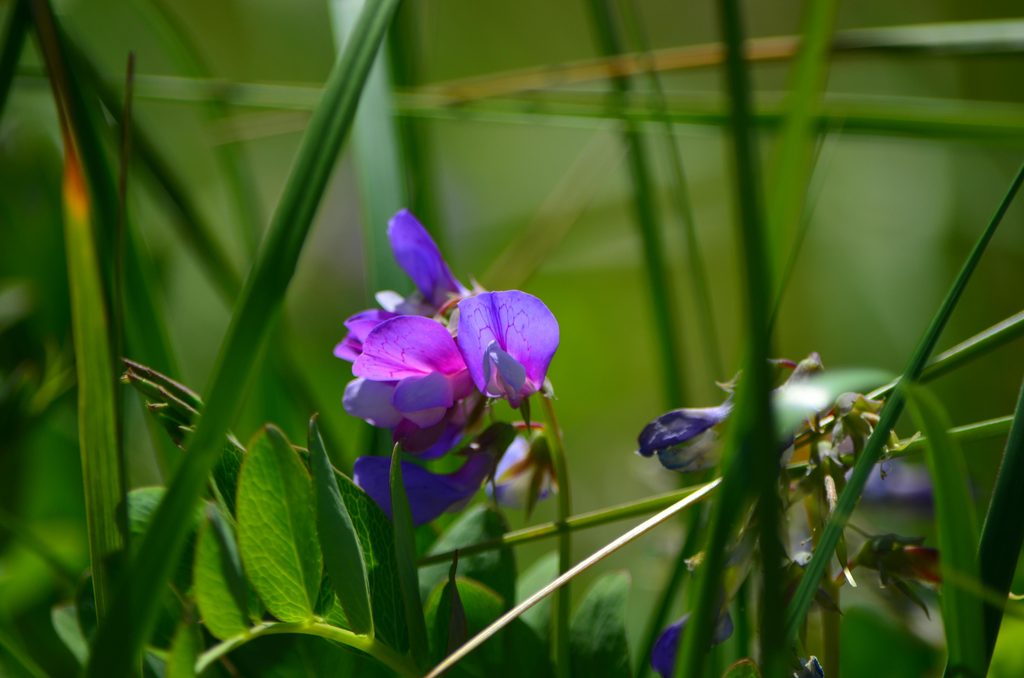
Sweet peas are climbing flowers known for their lovely smell. They enjoy cool weather and make a pretty wall of color when they grow up a fence.
Soak the seeds in water overnight to help them sprout faster. Plant them one inch deep at the base of a fence, net, or trellis.
Keep the soil damp and give them a sunny spot to grow. Note that these flowers are not the same as the peas you eat, so do not eat the pods.
Pick the blooms often, and the vines will make even more. A small bunch in a vase can make a whole room smell fresh.
21. Tulips
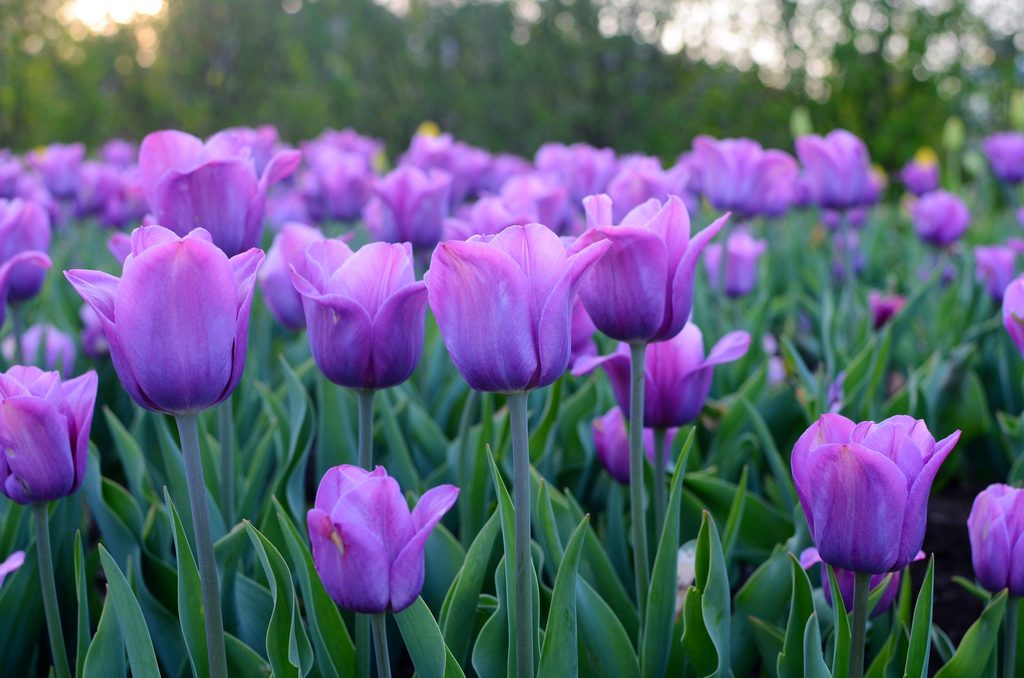
Tulips are classic spring flowers, and November is a great time to plant the bulbs. They need a long, cold rest in the soil to bloom well.
Plant each bulb about six inches deep with the pointed end up. Space them four to six inches apart in a sunny spot with soil that drains well.
Water them once after planting, then let nature do the rest. In spring, you will see bright, bold blooms pop up from the ground.
22. Daffodils
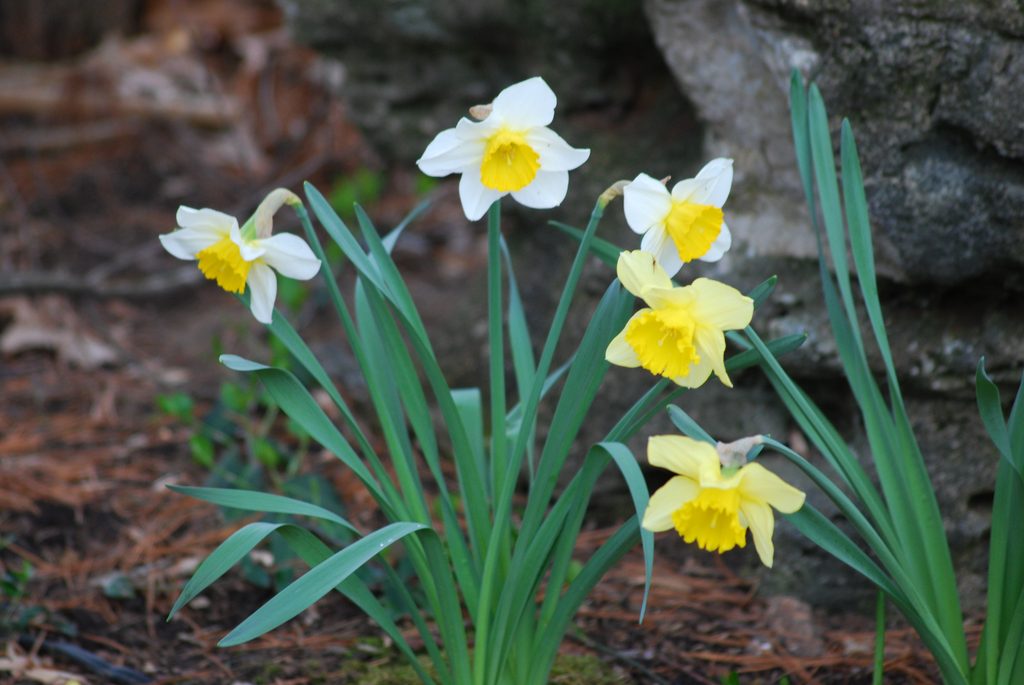
Daffodils are cheerful yellow flowers that are very easy to grow. Once you plant them, they come back year after year with almost no work.
Plant the bulbs about six inches deep with the pointed end up. Space them about four to six inches apart in a sunny or lightly shaded spot.
Choose soil that drains well, since soggy soil can make the bulbs rot. Water them once after planting to help the roots get started.
Squirrels and deer usually leave daffodils alone, which is a big bonus. Plant a big group together, and you will get a golden carpet of color in early spring.
23. Calendula
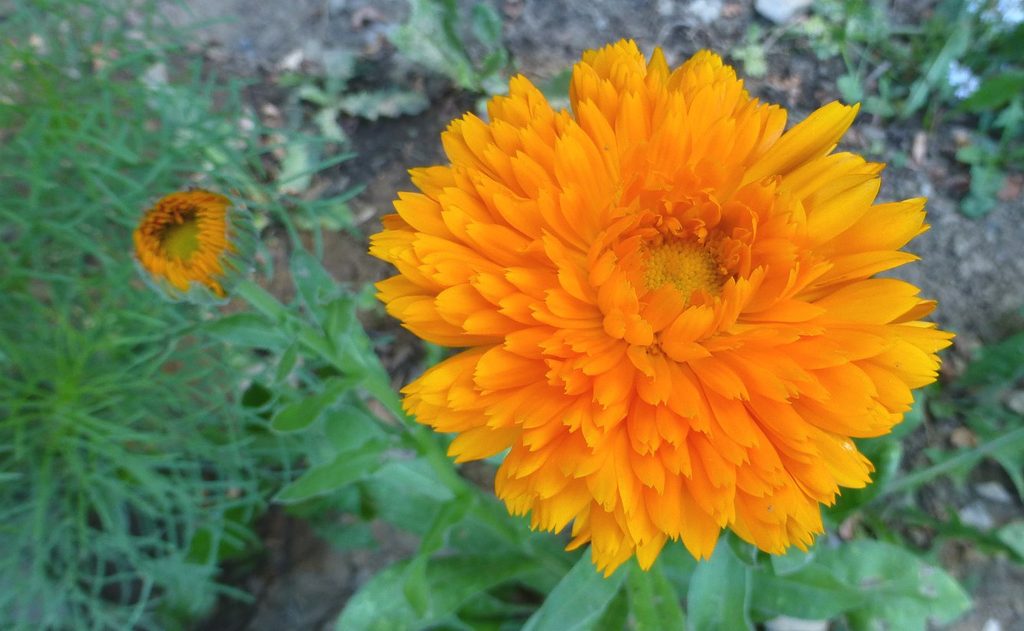
Calendula is a bright orange and yellow flower that grows well in cool weather. It is easy to grow, and it blooms for a long time.
Sow the seeds a quarter inch deep in a sunny spot with loose soil. Space them about eight inches apart, and keep the soil damp until they sprout.
Pick the flowers often to keep new blooms coming. The petals are safe to eat, so you can sprinkle them on salads or soups for a pop of color.
Conclusion
November is a great month to keep your garden busy. Cool weather is perfect for many veggies, herbs, and flowers. With a little planning, your yard can stay full of life.
Pick a few plants from this list and start small. Try one veggie, one herb, and one flower to see what you like. Each one is easy to grow and fun to watch.
Soon you will have fresh food for your table and bright color for your yard. Grab your seeds and gloves, and get planting.